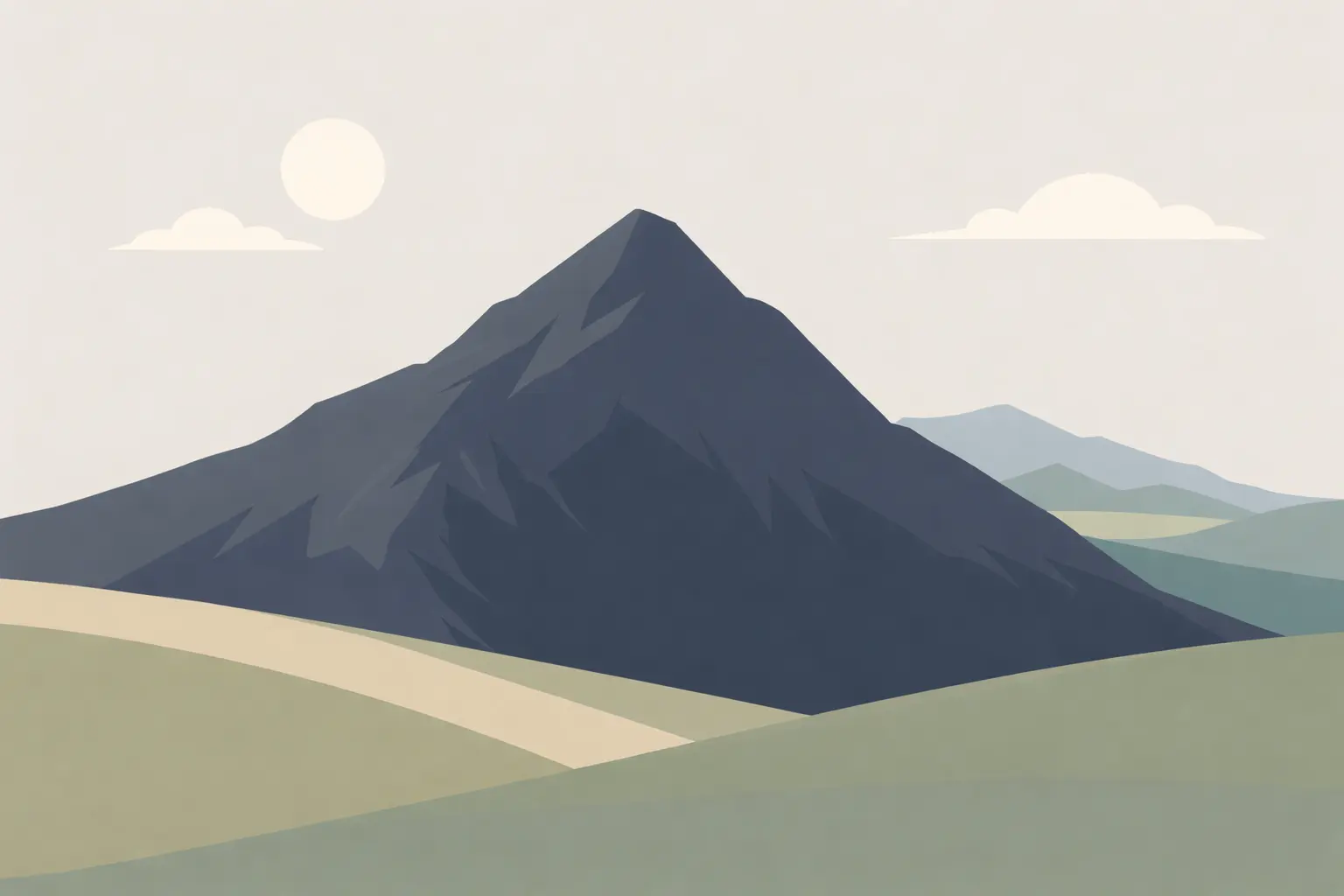
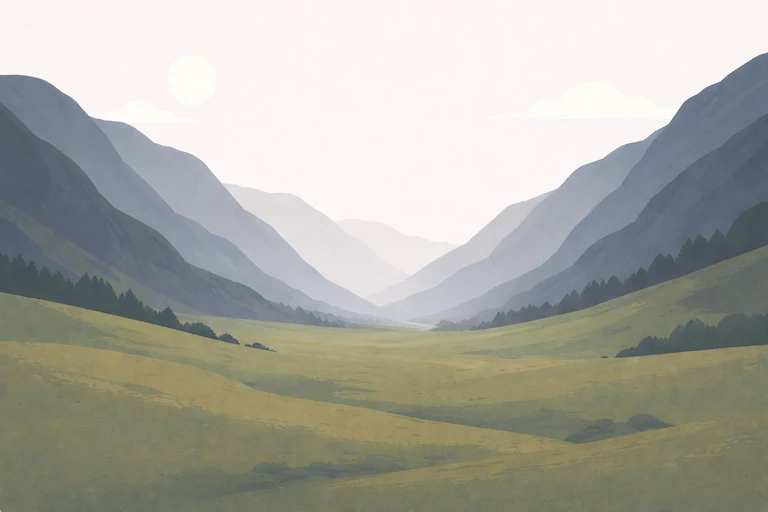
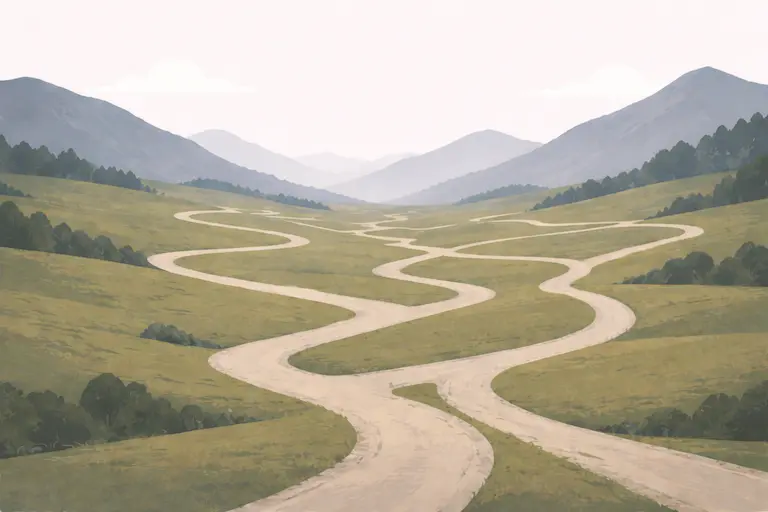
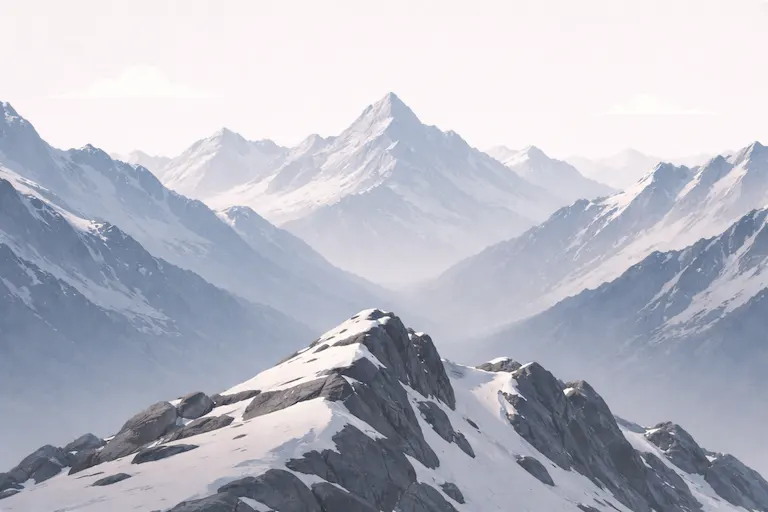
Our landscape is made of mountains and valleys. The mountains are our stressors, our insecurities, our core beliefs. The valleys are where we feel at peace, where everything feels right.
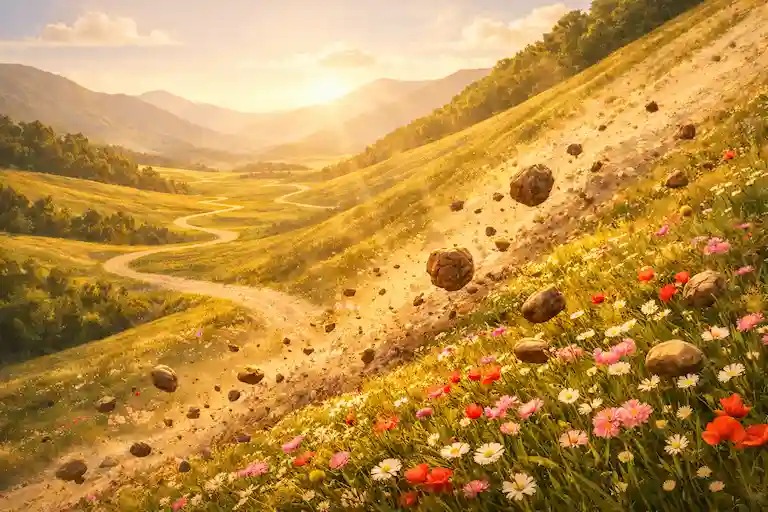
This landscape is never still. It shifts constantly beneath us and around us. Little events can have dramatic consequences.
Our mountains are our stressors. Our insecurities. Our core beliefs.
Some mountains are situational. A deadline at work. An argument with our partner. A bill we can't afford. They raise our height in the landscape and cause stress and anxiety.
Often the mountains that feel the worst are the ones linked to our insecurities. Our core beliefs. "I'm not good enough." "I'm too much." "I am unworthy." "I am unlovable."
Our valleys are where we feel at peace. Where everything feels right.
Some valleys are simple. The relief of finishing a hard day. The warmth of our bed on a cold morning. A song that makes us feel understood.
Some are deeper. The safety of being truly known by someone. The meaning we find in work that matters. The stillness of watching the sea.
We can feel the pull of our valleys. They're the experiences our whole system is oriented towards. The places where survival feels not just possible, but worthwhile.
Our landscape is never still. It shifts constantly beneath us and around us.
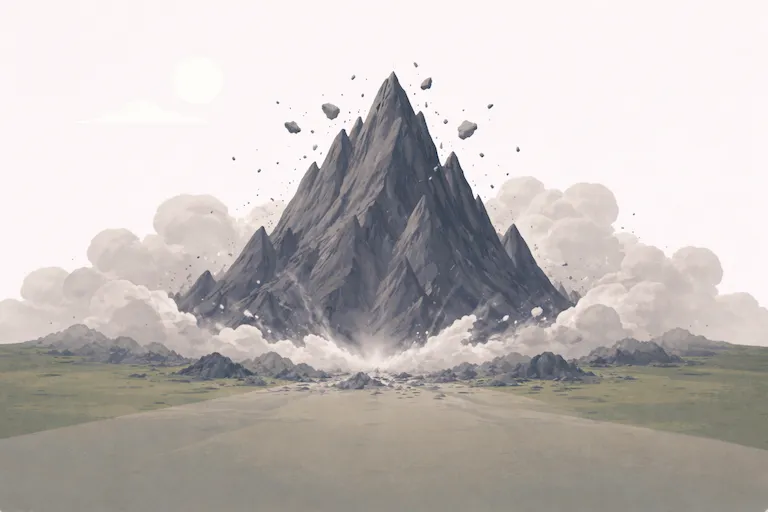
Little events can have dramatic consequences. An unexpected bill arrives, and suddenly we're halfway up a mountain that wasn't there before. A friend cancels plans, and a small hill of rejection rises under our feet.
These fluctuations aren't random—they're responses to the world around us. Other people's moods. Circumstances we can't control. The butterfly effect of someone else's bad day rippling into ours.
When we're at lower altitudes, we can see further. We can plan.
This is when we have the spare energy to look ahead. To map out the paths for next week. Next month. Next year. We can see which routes lead to valleys, and which ones climb towards danger. We can weigh up risks and rewards with a clear head.
But planning requires energy. And energy is limited.
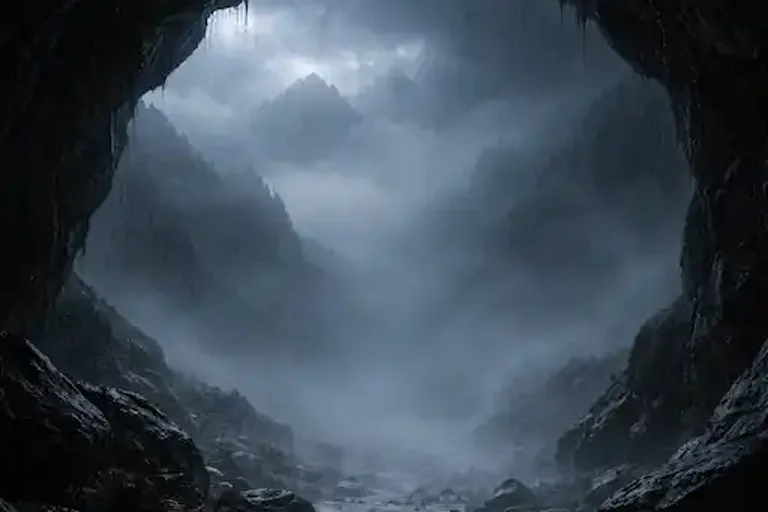
When we're stressed—when we're high up on our mountains—the fog rolls in. The paths ahead become invisible. Even if someone points them out, they stay theoretical. Not things we could actually do. We can't think about next week. We can barely think about the next five minutes.
Some people live their whole lives on higher ground.
Everyone's landscape is unique. For some, it's mostly gentle hills. They have their challenges, but as long as they've got their walking boots, they'll be fine. They rarely hit their energy limit.
For others, the landscape is a series of interlocking mountain ranges. Their own Himalayas. A lifetime of experiences that raised the ground beneath them. They live at high altitude permanently.
When our baseline is high, everything is harder. We don't have the spare energy to plan ahead. Small triggers can push us right up to our limit. A shirt we can't find. A tone of voice. Something that would barely register for someone else can feel catastrophic for us.
But living at high altitude requires hypervigilance. We have to watch for threats constantly. Because each fluctuation could send us up to our energy limit. But hypervigilance itself costs energy. The very thing keeping us safe is also keeping us high up.
When you're at your energy limit, you cannot see the paths out—even if other people point them out.